Hampshire Mills Group
HOME
Up
LIBRARY
LISTED MILLS
MILL HISTORY
EVENTS
HMG ACTIVITY
SNIPPETS
LINKS
CONTACT


Winchester City Mill

In 1086 the Domesday survey records a mill on the site paying a rent of 48/- (£2.40) per annum to the Abbess – well above the average mill rent in southern England.    During this period the mill became known as Eastgate Mill.  A period of prosperity ended after Winchester lost its status as England’s capital city and the Black Death had decimated the population in the mid 14th century.  The mill became derelict by 1417.

 King Henry Vlll took the derelict Eastgate Mill into Crown ownership at the Dissolution of the Monasteries in 1439 and his daughter Queen Mary Tudor then gave it to the city in 1554, partly to offset the cost of her wedding to Philip of Spain in the nearby cathedral.

At this time the mill became known as the City Mill.  The city failed to find tenants willing to restore the mill for almost two centuries and from 1662 a series of leases specify a meagre rent of 10/- (50p) per year ‘plus two chickens for the Mayor’!

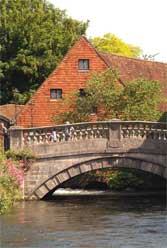
In 1743 a tenant James Cooke, rebuilt the mill – this is the building you can visit today – and milling on the site resumed. 

In 1928 the mill was saved from demolition by a group of local benefactors who bought it and presented it to the National Trust.  The Trust leased the City Mill to the Youth Hostels Association and it became one of the first hostels in southern England.   
 

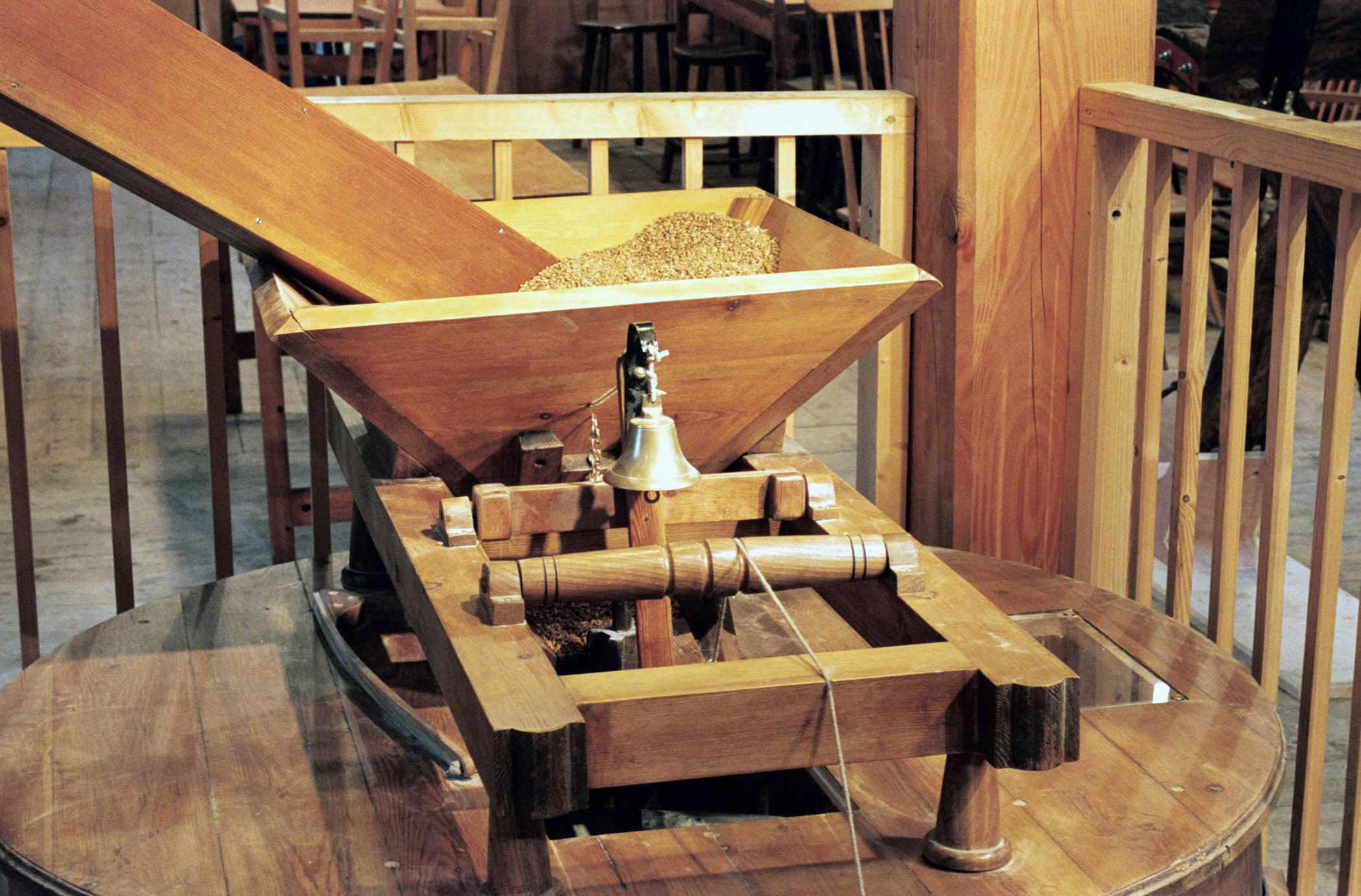
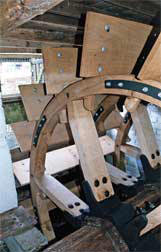
Eventually it became possible to restore working machinery in the mill and in March 2004 the City Mill successfully milled flour again after a gap of at least 90 years.  A new waterwheel was installed early in 2005 and visitors can see this turning the mill gears each day when the mill opens.  Regular flour milling takes place (contact the mill for dates) and wholemeal flour is available for sale. 

An exciting partnership with the Hampshire and Isle of Wight Wildlife Trust is establishing the mill as an interpretation centre for the River Itchen and new displays and events will tell the story of this fascinating river and its wildlife.

 A small island garden behind the mill provides a welcome escape from the busy city, is home to a variety of garden birds and a place to spot water voles and trout in the river.  Visitors will also find a well-stocked National Trust gift shop.


The mill, shop and island garden are open to the public between 11am and 5pm (last admission to mill and garden 4.30pm):
  1. Weekends in March
  2. Weds to Sun inclusive and Bank Hols. in April, May and June
  3. Daily July to December.
  4. Daily in school holidays March to December when special family activities are provided.

Group visits are welcome throughout the season and guided tours and milling demonstrations can usually be arranged subject to staff availability.  School parties are especially welcome.

NEW EXHIBITION AT THE MILL

A new exhibition at the National Trust’s Winchester City Mill features the story of bread from growing and harvesting the wheat through milling the flour to baking and delivering the bread. 

The story is told through archive film, historic photographs from local collections and recorded stories of people from the past. A selection of farming and bread making implements will also be displayed and visitors are invited to contribute their own memories of farming scenes or local bakeries in the last century.  The mill opens between 11am and 4.30pm from Wednesday to Sunday in term time and daily in all Hampshire school holidays.  The exhibition runs from 1 May and until 31 October and is included in the normal mill admission charges (Adults £3.40, Children £1.70, Families £8.50, National Trust & Hampshire Wildlife Trust members free).

The National Trust has assembled this new exhibition in a separate room at the mill and has received invaluable help from The Wessex Film and Sound Archives, the Hampshire Records Office and both the Hampshire and Winchester City Council Museums Services.

The video film and photographic displays illustrate the evolution of wheat growing from the traditional manual methods through the introduction of horse and tractor drawn machinery to the satellite controlled combine harvesters of today.  The exhibition next traces the revolution in milling from stone grinding in the traditional water and windmills using stones to the modern roller mills which produce most flour on sale today.  Finally three Hampshire bakeries are seen working in the last century whilst historic photographs contrast such enterprises, with their ornate delivery vans and carts, with a state-of-the-art bakery in the 21st century. 

Human stories are central to the exhibition and visitors can discover how long were the hours worked by a village baker for example and how agricultural labourers were affected in the late 19th century by the steady introduction of machinery.  Visitors will also be able, if they wish, to contribute their own memories and anecdotes to this ‘Story of Our Daily Bread’.


Contact details:  Bob Goodwin - Miller and Visitor Services Coordinator
Winchester City Mill,
Bridge St.,
Winchester SO23 8EJ

Tel. 01962 8709057

e-mail robert.goodwin@nationaltrust.org.uk, winchestercitymill@nationaltrust.org.uk

Its web site is found here :   NT City Mill

Photos © David Watson Bob Goodwin, National Trust


HOME ] Up ] LIBRARY ] LISTED MILLS ] MILL HISTORY ] EVENTS ] HMG ACTIVITY ] SNIPPETS ] LINKS ] CONTACT ]

Copyright © 2008 Hampshire Mills Group
Registered as a Charity - 1116607